Select your language
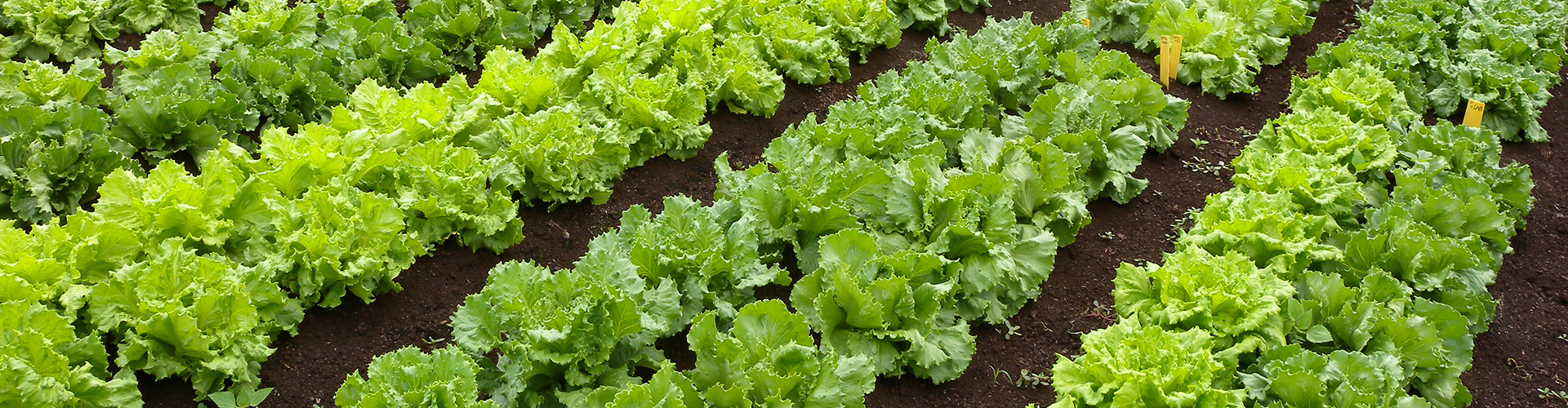
A group of lettuce producers investing in research

Research focused on lettuce varieties better adapted to climate and markets
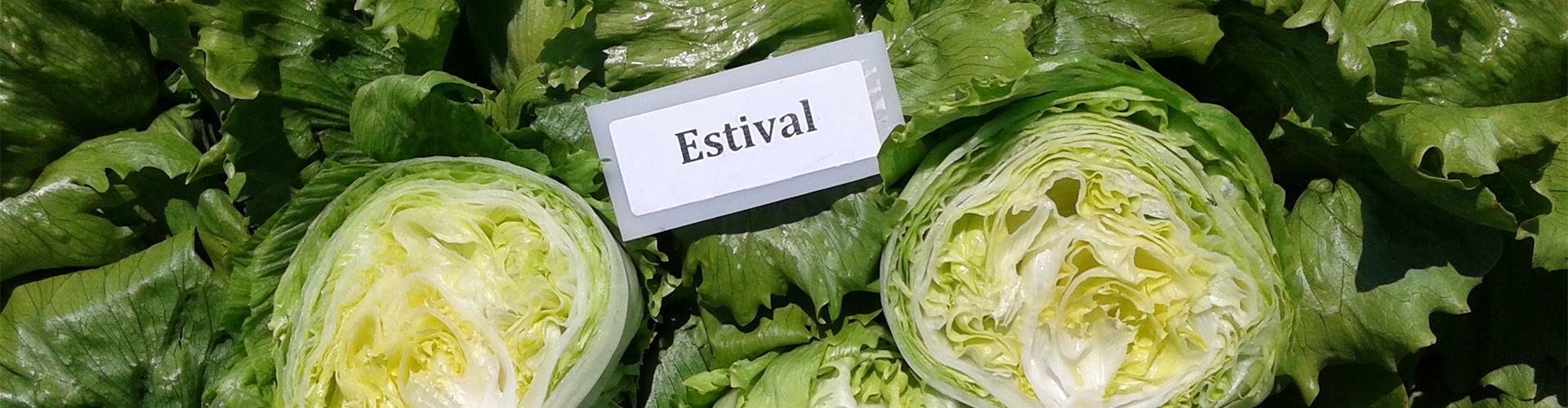
Seeds of exclusive varieties of lettuce
The Foundation
The Foundation, a non-profit organization, is a group of lettuce growers. It conducts research in genetic improvement, supported by marketing new varieties of lettuce and through public and private funders.
 learn more
 Our collaborators
Agriculture and Agri-Food Canada (AAFC)
Saint-Jean-sur-Richelieu Research and Development Centre (RDC)
The RDC is our main place of work and our staffs occupies offices there. We have access to a working environment that includes greenhouses, an in vitro culture laboratory and dedicated research facilities. We are also working in close collaboration with renowned scientists, such as Vicky Toussaint in bacteriology and Guy Boivin in entomology.

Vineland Research and Innovation Centre (VRIC)
The VRIC is collaborating on our research projects by attempting to identify molecular markers (QTL) involved in certain issues affecting lettuce, such as bacterial spot and tip burn. The centre is also collaborating to confirm the introduction of the Nasonovia aphid resistance gene into the popular Estival variety. Our contact person is Travis Banks, a research scientist in bioinformatics.

Rijk Zwaan (RZ)
We collaborate with Rijk Zwaan, a Dutch company specializing in the selection and production of vegetable seeds. Under agreements, it was possible to access the RZ patented Nasonovia aphid resistance gene in order to introduce it into chosen varieties. Our contacts are Wim Grootscholten, Sales Manager and Johan Schut, Breeder.

Pinnacle Seed (PS)
Our collaboration began with seed multiplication in California and selecting the best subjects. Little by little, we tested varieties and selections with a growing interest from local producers. We now sell varieties, through the Coop, for specific production windows. Our contact is Mike Vanoli, President.

Unifrontières Coop (Coop)
The Coop has been working with the Foundation for several years. Our contact is Jean-Sébastien Leblanc, General Manager.

Norseco
Norseco has the exclusive right to sell varieties developed by AAFC and we continue on this path with agreements for the sale of new varieties and sub-licenses for sales outside of Canada.

Phytodata

CRAM

Achievements
The Foundation develops new projects
Since 2008, in order to offer better romaine and head lettuce lines for producers, the Laitue Foundation has taken over from the Quebec Produce Growers' Association and has become an applicant to the Conseil pour le développement de l'agriculture du Québec (CDAQ) - Quebec's agricultural adaptation council - for the following projects:
Romaine #6312 - Development of new romaine lettuce lines tolerant to bolting, tipburn and bacterial leaf spot
The objective of this project was to develop new lines of high-quality romaine lettuce suitable for fresh market and processing.
Project duration : 2008-2012
Total cost : $ 812 400

Laitue #6512 - Creation of new disease and aphid-resistant head lettuce varieties
The overall objective of this project was to expand the range of head lettuce varieties available to Canadian producers through the development and pre-marketing of new varieties of disease-resistant head lettuce and the development of new lineages resistant to the aphid Nasonovia ribisnigri.
Project duration : 2010-2014
Total cost : $ 401 400

Romaine #6657 - Establishment of a test network to enhance genealogical lines and respond to the emerging market of the heart of romaine lettuce
The objective of this project was to establish a test network to identify almost fixed genealogical lines in order to respond to the emerging and very fast-growing market of the heart of romaine lettuce.
Project duration : 2012-2014
Total cost : $ 126 300

In 2013, the Foundation turns to AAFC's AgriInnovation Program (AIP) and gets funding for the following project:
AIP-198 - Development of new varieties of head lettuce and romaine to respond to fresh and processing markets and to the emerging market of the heart of romaine
Project duration : 2013-2018
Budget : $ 2 526 000
Four-part project
Development of lettuce varieties resistant to physiological disorders and basal rot and having the characteristics needed to meet the fresh and processing markets of head lettuce and romaine
The overall objective is to expand the range of romaine and head lettuce varieties available to Canadian growers through the development and pre-marketing of new varieties of lettuce resistant to major physiological disorders of eastern Canadian lettuce varieties grown in organic soil, as well as new varieties of lettuce that have the essential characteristics to meet the emerging markets of the heart of romaine lettuce.
These new varieties and lines will allow increased yields, in addition to having a greater value on fresh and processing markets, mostly dedicated to exportation.

Study of pathogenic Xanthomonas genotypes in lettuce and their host-pathogen relationship in a context of varietal selection for resistance to bacterial spot.
The objective of this activity is to determine the prevalence of the different genotypes of pathogenic Xanthomonas found in lettuce production areas in Canada, as well as their pathogenicity on a set of cultivars to determine the tolerance of parents and lettuce lines in various environments.

Development of new lines of head lettuce resistant to Nasonovia ribisnigri
Head lettuce varieties resistant to the Nasonovia ribisnigri aphid exist, but are not adapted to the climatic and edaphic conditions of eastern Canada. This activity is aimed at the development of adapted and aphid resistant head lettuce lines by introgression of the resistance gene using the backcrossing and marker assisted selection method.


Development of tools related to DNA marker-assisted selection (MAS) and to genomics in the existing lettuce breeding program
The objective of this activity is to develop and use marker-assisted breeding to accelerate the lettuce selection and multiplication process and thereby increase efficiency.
Among the main achievements of this PAI project are:
- Three new varieties of head lettuce currently on the market and available to all Canadian lettuce producers
- Four advanced romaine lettuce fixed lines tested in pilot trial by producers to evaluate their commercial acceptance
- An advanced line of resistant head lettuce to the aphid Nasonovia ribisnigri in progress


Programme Innov'action agroalimentaire (2018-2023), MAPAQ – Volet 2 - Adaptation Technologique. Project IA221668: Commercial acceptance of a new variety of iceberg and/or romaine lettuce resistant to heat stress.
This project involves setting up field trials to evaluate new iceberg and romaine lettuce lines. An essential step in the commercial acceptance of the developed lines before starting the registration process with the Plant Breeders' Rights Office (PBRO) in Canada
The overall objective of this project is to provide Quebec growers with high quality iceberg and romaine lettuce varieties for the fresh and processing markets, when grown in the warm conditions of the season.
Specific Objectives:
1- To evaluate the yield and quality of advanced iceberg and romaine lettuce varieties for their resistance to physiological disorders (tip burn and premature bolting) associated with heat stress in a context of climate change;2- To collect the data required for the registration of one or more new varieties of iceberg and/or romaine lettuce developed in Quebec, according to the standards of the Canadian Plant Breeders' Rights Office.
Project Duration: 2021-2023

Commercial acceptance of a new heat stress-resistant head lettuce and/or romaine lettuce variety.
Programme de partenariat pour l'innovation en agroalimentaire (PPIA) du MAPAQ. Project: Setting up a network of trials for vegetable varieties grown in muck soil, with a focus on lettuce and celery
The aim of this project is to provide the vegetable sector with a sustainable cultivars testing structure and to increase the sector's resilience to climate change and to adapt to changing market demands, both for the fresh market and for processing. In three years, lettuce (iceberg and romaine) and celery will be put forward. A monitoring committee will consider the priority crops to be included in the network over a period of 5 years or more.
The main objective of this project is to define a technical itinerary for the risks associated with biotic and abiotic disorders in lettuce and celery, to characterise the available cultivars and to develop a specific technical itinerary.
Specific Objectives:
1- Collect information on lettuce and celery cultivars currently available here or in other production areas;
2- To evaluate the agronomic traits, physiological disorders and phytosanitary of the cultivars tested:
- Tolerance/sensitivity of lettuce and celery cultivars to the main diseases in controlled conditions (growth chambers, screening);
- Sensitivity/tolerance of cultivars to various physiological disorders related to heat stress (tip burn, rib discoloration, premature bolting, blackheart, hollow petiole and brown stalk);
- Sensitivity/tolerance of cultivars to the main diseases (downy mildew, basal rot, Pythium wilt, Sclerotinia, Fusarium, Cercospora leaf spot, and Septoria leaf spot);
- Evaluate agronomic characteristics to facilitate their positioning in different markets (fresh, processing);
Project Duration: 2022-2025

Partners: Phytodata, CRAM, MAPAQ
History
1997


Agriculture and Agri-Food Canada's 1997 Lettuce Breeding Program
For more than 10 years, Dr. Sylvie Jenni of the Horticulture Research and Development Centre (HRDC) of Agriculture and Agri-Food Canada (AAFC) in Saint-Jean-sur-Richelieu focused on lettuce resistance to physiological disorders through the genetic improvement program, in collaboration with a group of Quebec producers. Three new varieties of crisphead lettuce were created: AAC Champlain, Hochelaga and Estival.
2006

Creation of the Foundation in 2006
All the producers who participated in the research gathered together and created the Lettuce Foundation - for the genetic improvement of lettuce and leafy vegetables - a non-profit organization. AAFC committed to pay royalties from the sale of new seeds in exchange for their commitment to invest the funds in the lettuce breeding program. AAFC granted the right to market these varieties to La Coop Uniforce, which has since become La Coop Unifrontières. Their collaboration proved fruitful and several projects ensued.

2013


Industry-led research since 2013
In 2012, AAFC announced the completion of its research program on genetic improvement of lettuce. In 2013, the Lettuce Foundation went into solution mode. It recruited Dr. Djamila Rekika as a scientific project manager and introduced a new research project for head lettuce and romaine under the AgriInnovation Program. New members were added as well as financial partners. Agreements were signed with new partners and collaborators, while maintaining close ties with the Saint-Jean-sur-Richelieu CRDH and its researchers.
In summary, the Foundation coordinates farm trials on AAFC's lettuce lines in Canada and internationally (USA, Europe and others). It manages the marketing of new varieties of lettuce, including licensing and sub-licensing options, as well as the sale of these varieties to Canadian and international producers. It ensures that the material is virus-free, in addition to maintaining the fresh seed stock of AAFC varieties and new varieties developed.

Mission - en
Expertise in genetic improvement of lettuce
The Foundation's mission is to carry out and fund genetic improvement research and development activities aimed at developing new varieties of lettuce that are better adapted to Canadian climatic conditions and respond to current and changing market needs.


The permanence of the research program
The Foundation's research program raises funds to finance and support a genetic breeding program for lettuce in Canada.

More Articles …
Members

The Foundation is privileged to have the financial support of producers and their active participation in the development of criteria for selecting varieties under our climatic conditions.
learn moreResearch

Genetic improvement of lettuce is an ongoing process of selection, evaluation and multiplication of individuals with the characteristics requested by the industry and meeting the requirements of the various market segments.
learn more
Our romaine lettuce
Our lettuce
Three new varieties of head lettuce currently on the market – ‘AAC Canicula’, ‘AAC Richelieu’ and ‘AAC Global’ – must-haves for the fresh market and/or processing, registered in Canada. See also other varieties...
learn moreOur partners